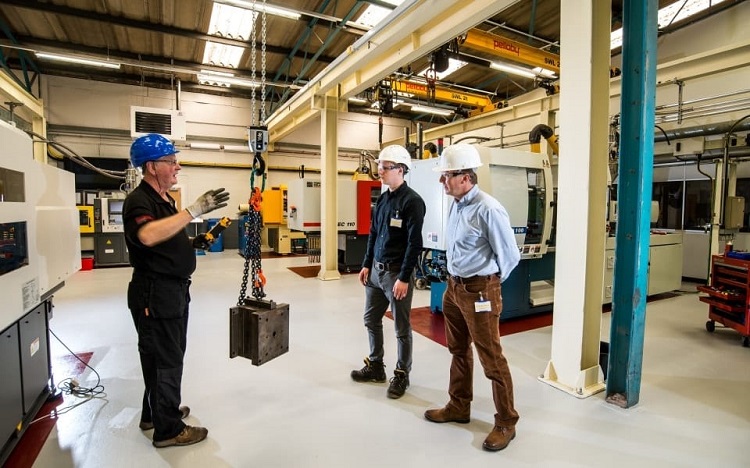
Overhead cranes are essential pieces of equipment in many industries, playing a crucial role in material handling and heavy lifting operations. These powerful machines have revolutionized the way businesses move large, heavy objects within their facilities. In this comprehensive article, we’ll explore what overhead cranes are, how they work, their benefits, important considerations, and why attending an overhead crane training course is vital for operators and managers alike.
What is an Overhead Crane?
An overhead crane, also known as a bridge crane, is a type of crane found in industrial environments. It consists of parallel runways with a traveling bridge spanning the gap. A hoist, the lifting component, travels along the bridge. Overhead cranes are typically used for lifting and moving heavy loads in manufacturing facilities, warehouses, steel mills, and other industrial settings.
How Does an Overhead Crane Work?
The operation of an overhead crane involves several key components working in harmony:
- Bridge: The main horizontal beam that spans the width of the working area.
- Trolley: A unit that moves along the bridge, carrying the hoisting mechanism.
- Hoist: The lifting device attached to the trolley, which raises and lowers the load.
- End trucks: Wheel assemblies at each end of the bridge that allow it to move along the runway.
- Runway: The fixed rails or beams along which the bridge travels.
- Controls: Either pendant controls hanging from the crane or a radio remote control.
The basic operation involves:
- Positioning the bridge over the load by moving it along the runway.
- Adjusting the trolley’s position on the bridge to align with the load.
- Lowering the hoist to attach to the load.
- Lifting the load and moving it to the desired location by operating the bridge and trolley.
- Lowering the load and detaching the hoist.
Overhead cranes can be manually operated or powered by electricity, depending on their size and application.
Benefits of Overhead Cranes
- Increased Efficiency: Overhead cranes can move heavy loads quickly and precisely, significantly reducing the time and effort required for material handling tasks.
- Improved Safety: By lifting loads off the ground and moving them overhead, these cranes reduce the risk of accidents and injuries associated with ground-level material handling.
- Space Optimization: Unlike mobile cranes or forklifts, overhead cranes operate above the workspace, freeing up valuable floor space.
- Versatility: They can be used for a wide range of lifting tasks and can be equipped with various attachments to handle different types of loads.
- High Lifting Capacity: Overhead cranes can lift extremely heavy loads, with some models capable of handling hundreds of tons.
- Precision Control: Modern overhead cranes offer precise control over load movement, allowing for accurate positioning of heavy or delicate items.
- Reduced Labor Costs: By automating lifting and moving tasks, overhead cranes can reduce the number of workers required for material handling.
- Longevity: With proper maintenance, overhead cranes can last for decades, providing a long-term solution for material handling needs.
- Customization: Cranes can be customized to fit specific facility layouts and operational requirements.
- Increased Productivity: The speed and efficiency of overhead cranes can significantly boost overall production rates in manufacturing and warehousing operations.
Things to Know About Overhead Cranes
- Types of Overhead Cranes: There are several types, including single girder, double girder, gantry cranes, and jib cranes, each suited for different applications.
- Load Capacity: It’s crucial to know the maximum load capacity of your crane and never exceed it.
- Maintenance Requirements: Regular inspections and maintenance are essential for safe and efficient operation.
- Safety Features: Modern cranes come with various safety features like overload protection, anti-collision systems, and emergency stop buttons.
- Operational Environment: The working environment (indoor/outdoor, temperature, humidity) affects crane selection and maintenance needs.
- Power Supply: Most industrial overhead cranes are electrically powered, requiring a reliable power supply.
- Control Systems: Cranes can be operated using pendant controls, radio remotes, or even automated systems.
- Regulatory Compliance: Overhead crane operations are subject to various safety regulations and standards, which must be strictly followed.
- Lifespan and Depreciation: While durable, cranes do have a finite lifespan and undergo depreciation, which should be factored into long-term planning.
- Noise Levels: Overhead cranes can contribute to workplace noise, which may require consideration in certain environments.
Why You Should Attend an Overhead Crane Course Training
- Safety Compliance: Proper training ensures that operators understand and comply with safety regulations, reducing the risk of accidents.
- Skill Development: Courses provide hands-on experience and teach best practices for efficient crane operation.
- Legal Requirement: In many jurisdictions, crane operators are required by law to complete certified training.
- Career Advancement: Certified crane operators often have better job prospects and higher earning potential.
- Equipment Longevity: Trained operators are more likely to use equipment correctly, reducing wear and tear and extending the crane’s lifespan.
- Emergency Preparedness: Training courses cover emergency procedures, preparing operators to handle unexpected situations.
- Increased Productivity: Well-trained operators work more efficiently, enhancing overall workplace productivity.
- Risk Reduction: Proper training significantly reduces the risk of accidents, potentially saving lives and preventing costly damages.
- Insurance Benefits: Some insurance providers offer reduced premiums for companies with certified crane operators.
- Confidence Building: Training builds operator confidence, leading to smoother and more effective crane operations.
Things to Know Before Enrolling for an Overhead Crane Course
- Course Prerequisites: Some courses may require prior experience or basic qualifications. Check the requirements before enrolling.
- Course Content: Ensure the course covers all relevant aspects, including theory, practical operation, safety procedures, and applicable regulations.
- Certification Recognition: Verify that the certification provided is recognized by relevant industry bodies and potential employers.
- Course Duration: Courses can range from a few days to several weeks. Consider how this fits into your schedule.
- Practical Components: Most courses include hands-on training. Ensure you’re comfortable with the physical aspects of crane operation.
- Cost: Consider the investment required, including any travel or accommodation expenses for in-person training.
- Refresher Requirements: Many certifications require periodic refresher courses. Understand these ongoing commitments.
- Specialization Options: Some courses offer specialization in specific types of cranes or industries. Choose one that aligns with your career goals.
- Instructor Qualifications: Research the credentials and experience of the overhead crane course instructors.
- Post-Course Support: Inquire about resources or support available after completing the course, such as job placement assistance or ongoing learning opportunities.
Conclusion
Overhead cranes are indispensable tools in modern industry, offering unparalleled efficiency and safety in material handling operations. Their ability to lift and move heavy loads with precision has transformed manufacturing, warehousing, and construction processes. However, the power and complexity of these machines necessitate proper training and understanding.
Attending an overhead crane course is not just about meeting legal requirements; it’s an investment in safety, efficiency, and career development. Properly trained operators contribute significantly to workplace safety, equipment longevity, and overall operational effectiveness.
Before embarking on a training course, it’s important to carefully consider your specific needs, the course offerings, and how they align with your career goals and industry requirements. With the right training and knowledge, overhead crane operators play a crucial role in keeping industries moving, quite literally, by safely and efficiently managing the flow of materials in various industrial settings.
As industries continue to evolve and safety standards become increasingly stringent, the importance of specialized training in overhead crane operation cannot be overstated. Whether you’re an aspiring operator, a safety manager, or a business owner, understanding the capabilities, requirements, and best practices associated with overhead cranes is essential for success in many industrial environments.
 Education teaches us how to achieve success